
"winter beverages"
300 article(s) found
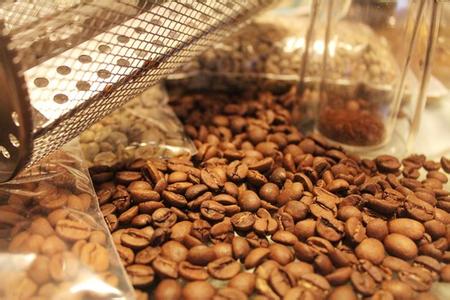
Yemeni Coffee Features and Markets of Yemeni Coffee
Yemen was known as Arabia until the 6th century AD, so coffee trees transported from Yemen to other places were also called Arabic coffee trees. But the origin of these trees is Ethiopia. Yemen was the first country in the world to produce coffee on a large scale as an agricultural crop. Yemeni coffee farmers still produce coffee the same way they did 500 years ago.

What boutique coffee beans are there in Yemen?
For more information on coffee beans, please follow the coffee workshop (Wechat official account cafe_style) Mokamadali (Mokha Mattari): the most famous coffee market name in the province of Mardali, west of the Yemeni capital Sanaa (another word is Bany Mattar). It is coffee produced at high altitude and usually has good red wine.

A brief introduction to the cultivation of Yemeni boutique coffee beans with unique flavor, geographical location, climate and altitude
Yemeni coffee market: Yemeni coffee is exported from December to April of the following year. The problem in the past has been that coffee from the north was mixed with shoddy stuff before it was shipped from the southern port of Aden. Only coffee shipped from the port of Hodeida can be determined to come from the north. The vast majority of coffee in Yemen is grown under natural conditions, mainly

Coffee in Yemen details the origin of coffee in Yemen
Before the 6th century AD, Yemen was called Arabia, so coffee trees shipped from Yemen to other places were also called Arabian coffee trees. But the origin of these trees is Ethiopia. Yemen is the first country in the world to produce coffee on a large scale as a crop. Today, coffee farmers in Yemen still use the same method to produce coffee as they did 500 years ago.

A brief introduction to the planting market price of Yemeni boutique coffee bean varieties with endless aftertaste
Yemeni coffee origin: Yemeni bean-shaped berry coffee beans (Peaberrybean): this coffee bean is smaller and rounder than most coffee beans and looks like peas, sometimes called mocha coffee beans. The shape of mocha coffee beans is similar to that of Ethiopia's Harrar coffee beans.

The editor said that in those years, the cafes in Hangzhou that we loved.
For the exchange of professional baristas, please follow the coffee workshop (Wechat official account cafe_style). This is a gossip column that doesn't make much sense. In the future, each of our editors will come from time to time to share with you some big and small things in life, some do not, just chat casually. If you are interested, take a look. If you are not interested, you may be interested.

A brief introduction to the origin, development, history and culture of Yemeni boutique coffee beans with endless aftertaste
Yemeni coffee origin: Yemeni bean-shaped berry coffee beans (Peaberrybean): this coffee bean is smaller and rounder than most coffee beans and looks like peas, sometimes called mocha coffee beans. The shape of mocha coffee beans is similar to that of Ethiopia's Harrar coffee beans.

Go to Seoul, meet my brother and become an international barista with SCAE certificate
If you want a second life, pay attention to Suzhou Hive Youth Club. Koreans love coffee. They like to date, study and talk about business in the aroma of coffee. Most Korean cafes have warm lights, warm and chic decoration, soft music, and a barista with a fresh smile. Everything is just like the warmth and romance of Korean TV dramas. If you want to fit into this picture,

A brief introduction to the description of the flavor and aroma characteristics of the spicy Yemeni boutique coffee beans
Despite the high quality and smooth aroma of Yemeni coffee, there is something unsatisfactory, that is, the quality can not be continuously guaranteed, and the classification of its coffee beans is uncertain. Traditionally, the best coffee beans in Yemen come from Mattari, followed by Sharki, followed by Sanani. These coffee beans are low in caffeine. Deep-baked

A brief introduction to the history and culture of the origin and development of Yemeni boutique coffee beans with unique flavor
Yemeni coffee origin: Yemeni bean-shaped berry coffee beans (Peaberrybean): this coffee bean is smaller and rounder than most coffee beans and looks like peas, sometimes called mocha coffee beans. The shape of mocha coffee beans is similar to that of Ethiopia's Harrar coffee beans.

A brief introduction to the flavor, taste and aroma characteristics of Yemeni boutique coffee beans with unique flavor
In Yemen, coffee growers plant poplars to provide shade for coffee trees to grow. As in the past, these trees are planted on steep terraces to maximize the use of less rainfall and limited land resources. In addition to the Tippika Coffee Tree and the Bourbon Coffee Tree, more than a dozen different coffee species native to Ethiopia are grown in Yemen. Authentic

Yemen coffee boutique coffee beans origin flavor introduction Yemen coffee beans good to drink
Professional coffee knowledge exchange More coffee bean information Please pay attention to Coffee Workshop (Weixin Official Accounts cafe_style) Mokha Mattari: a kind of Bani Mattar(another way to write it is Bany Mattar) from the west of Yemen's capital Sanaa Province, the most famous coffee market name. Coffee grown at high altitudes, usually with a good red wine

A brief introduction to the flavor, taste and aroma characteristics of Yemeni boutique coffee beans with unique flavor
Mokha Rimi: produced in the Djebel Remi (also known as Raimi, Rayma) area, the quality is similar to that of Shannani, which is usually slightly fermented, occasionally with surprisingly strong sweet aromas of raisins, and when roasted properly, the coffee beans smell like opening a full-bodied bottle of jam. Mokha Yafeh: from Yafeh (also known as Yaffe) province in southern Yemen, belonging to

A brief introduction to the planting market price of Yemeni boutique coffee beans with complete grain shape
The origin of these trees is Ethiopia. Yemen is the first country in the world to produce coffee on a large scale as a crop. Today, Yemeni coffee farmers still produce coffee in the same way as they did 500 years ago. Coffee berries grow naturally on trees, without any artificial fertilizers or pesticides, receive a small amount of rain and fog on the hillside in summer, blossom and bear fruit.

A brief introduction to the cultivation of spicy Yemeni boutique coffee beans, geographical location, climate and altitude
★★★: excellent market for Yemeni coffee: Yemeni coffee is exported from December to April of the following year. The problem in the past has been that coffee from the north was mixed with shoddy stuff before it was shipped from the southern port of Aden. Only coffee shipped from the port of Hodeida can be determined to come from the north. The vast majority of coffee in Yemen is made by natural conditions.

A brief introduction to the treatment method of grinding degree and baking degree of spicy Yemeni boutique coffee beans
The characteristics of Yemeni coffee: the taste of Yemeni mocha is complex and changeable, and how to bake the best flavor of Yemeni mocha is a challenge for coffee roasters. Medium and shallow roasting shows sweet fruit, mild, warm sun-fermented flavor; deep baking shows a strong aroma of red wine, bitter sweet chocolate finish. Flavor: exotic, slightly alcoholic, spicy and exciting, different, must be tasted

Aldumara Coffee introduction, Aldura Coffee Flavor
Following Cafe Review (Wechat official account vdailycom) found that Fairview Cafe opened a small shop of its own Mexico: Aldura Coffee flavor taste characteristics: soft aroma, mellow and comfortable, with wine aroma. Mexico has a long history of producing coffee and is currently one of the most important coffee producing countries in the world. Coffee produced in Mexico is naturally called Mexican coffee.

A brief introduction to the planting market price of Yemeni boutique coffee beans with unique flavor
Mokamadali (Mokha Mattari): the most famous coffee market name in the province of Bani Mattar (another word for Bany Mattar) from the western part of the Yemeni capital Sanaa. Coffee is produced at high altitude, usually with a good aroma of red wine, dry fruit, thick taste, deep-roasted and often bitter sweet chocolate. The good quality Madali bean is small.
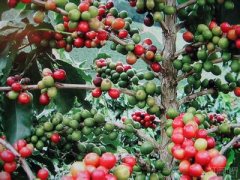
Yemeni coffee beans from 12 famous high-quality coffee producing areas
Before the 6th century AD, Yemen was called Arabia, so coffee trees shipped from Yemen to other places were also called Arabian coffee trees. But the origin of these trees is Ethiopia. Yemen is the first country in the world to produce coffee on a large scale as a crop. Today, coffee farmers in Yemen still use the same method to produce coffee as they did 500 years ago.